The new VinitalyPlus podcast: Maximising on-premise sales through alternative packaging solutions
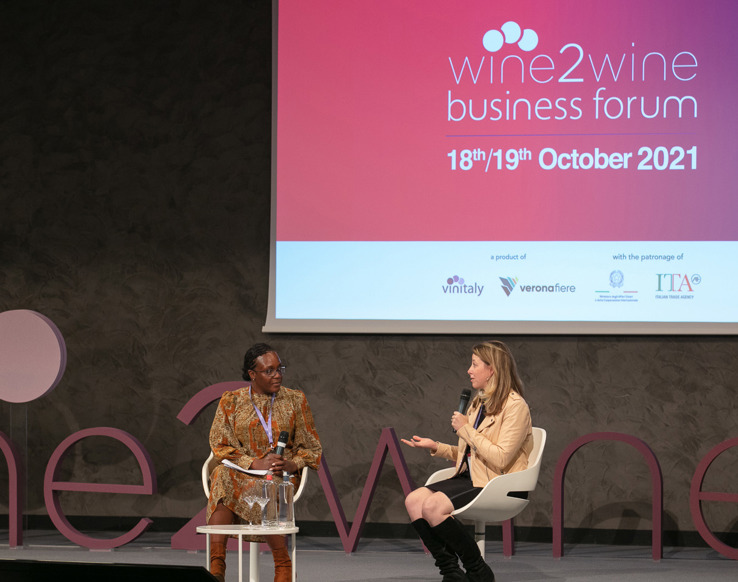
In this all female panel for this VinitalyPlus appointment with the business community, Marian Leitner-Waldman and Alicia Towns Franken introduce the topic of on-premise sales in the United States. Striking a balance between generating revenue and creating experiences that meet consumer expectations, the speakers make the case for alternative packaging solutions for wine products in this wine2wine Business Forum 2021 session, available now in podcast format.
The recovery of on-premise sales: innovation wins
The Covid 19 pandemic had a catastrophic impact on the hospitality sector in the United States. With a total workforce loss of approximately 9 million across the economy, the restaurant sector was particularly badly hit. While the wine industry was quick to recognise the importance of online sales, strengthening retail channels on applications and websites, it did not abandon on-premise sales, maintaining a stable and lasting presence in restaurants and wine bars. In a sector characterized by slow recovery, it is necessary to create innovative and original experiences for consumers, responding to their needs while strengthening revenue streams for producers. The use of alternative packaging, including cans and kegs, represents an important innovation, demonstrating a willingness by producers to reach out to a younger audience with more contemporary and sustainable consumption habits. In the traditionally stuffy world of wine, the sale of "canned wines" is challenging the industry norms. In the United States, canned wine consumption grew 43% from June 2017 to June 2018, reaching $45 million, with continuing growth in the following years.
Wine in a can
Alternative packaging materials, like aluminum cans, have a variety advantages. First of all, they appeal to a younger audience. Although milinials are enthusiastic wine consumers, they are not typically big spenders. They are attracted to the lower purchase price of a can, supporting the democratization of the sector in the process. Cans are more eco-sustainable. Recycling of aluminium cans is about 60% higher than of glass. What’s more, an empty can weighs less than 30% of a bottle of the same volume, with a significant impact on logistics and shipping costs. Finally, these new consumers are more likely to try new wines if they don't have to buy a whole bottle. This latter point is particularly interesting for lesser known producers, who may be able to use alternative packaging solutions to prise open new markets. Following the trends of recent years, the sale of canned wines can challenge the traditional staleness that often characterizes the wine market, as well as offering greater practicality in terms of consumption opportunities.
Marian Leitner-Waldman e Alicia Towns Franken
Marian Leitner-Waldman is the founder and CEO of Archer Roose Wines, one of the largest canned wine producers in the United States. With the mission of democratizing fine wine by making the wine industry more inclusive, the company uses the format to adapt to the lifestyles of modern consumers. Marian Leitner-Waldman was named one of the top 10 entrepreneurs by the Boston Harbor Angels. Alicia Towns Franken, with over 25 years in the hospitality sector, is Archer Roose's VP Wine Portfolio. She is responsible for a program that helps raise awareness of alternative packaging by developing stronger ties with winemakers, commentators, critics, distributors and influencers. The speaker is also on the board of and directs the mentorship of Wine Unify, an organization with the mission of welcoming, elevating and amplifying the voices of minorities in the wine sector.