How wine tourism has changed in Italy in recent years
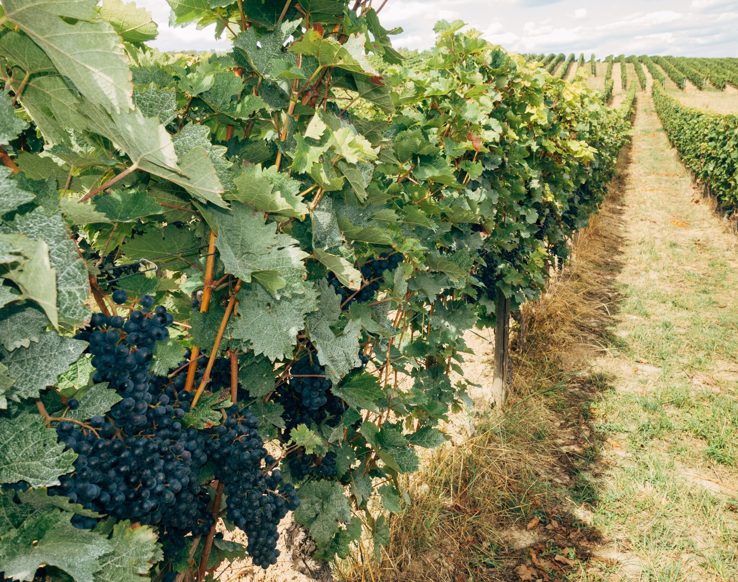
Wine tourism in Italy, after having faced the difficult years of the pandemic, shows strong signs of recovery. The packages on offer from the cellars are growing and the requests from potential visitors have changed. In this article we find out how wine tourism has changed in Italy in recent years and what the future prospects are.
The growth of wine tourism in Italy
Italian wine tourism boasts a long tradition that has always represented an important growth asset for the wine sector. In the 2021 Italian Food and Wine Tourism Report, Roberta Garibaldi, professor of Tourism Management of the University Bergamo, point out that 2019 saw wine tourism with at least 15 million visitors and a total turnover of approximately 2.65 billion euros.
These numbers have naturally collapsed due to the pandemic crisis, but after a difficult two years, the sector is showing strong signs of recovery. As early as 2021, about 13% of bookings made on the Tripadvisor portal for Italy concerned food and wine packages, marking the beginning of a growing trend. From the simplest experiences to the exclusive and luxury ones, the wine tourism phenomenon is not limited to being “niche”, but attracts an increasingly large slice of target consumers. An example of this is the recent addition of the new category “vineyards and cellars” on Airbnb, through which tourists can decide to stay immersed in the magical landscapes of vineyards and cellars. Italian and international travellers are increasingly interested in the food and wine destinations of our country, which are becoming a growth asset for companies in the sector which should not be underestimated.
Who is the wine tourist today?
Just as travel habits have changed, we must consider that consumption habits have also changed. Today’s tourist has new interests and requests: they are more demanding, active and attentive to sustainability. We have collated data on the main trends that characterize food and wine tourists who currently choose Italy as their destination.
- The orientation towards environmental sustainability. If sustainability is generally considered an added value in any area of production and in every sector, it is clearly a particularly important aspect of wine tourism. Today’s travellers show particular attention to the company’s values and prefer responsible and sustainable consumption even on vacation. This translates into new experiences in the cellar: from walks among the vineyards to picnics, from activities by bike or with animals, to different wine tasting experiences. The experience in the cellar becomes a day of immersion in nature and an opportunity to discover and experience wine in a new and holistic way.
- The cultural value of wine is another aspect that attracts more and more travellers who choose Italy as their destination. Discovering new products, small or large wineries and the history of their territory is an opportunity for cultural enrichment that fascinates more and more visitors. This accounts for the growing demand for personalized guided tours of the cellars, with a focus on the combination of art, history and typically Italian wine.
- The dimension of well-being is also linked to sustainability and culture: tourists are increasingly attracted to experiences that combine wine and personal well-being. Activities related to slow living are very interesting, designed to regenerate and approach a lifestyle more deeply connected to nature and oneself: yoga in the vineyards, meditation, wellness programs and so on.
Conclusions
It is clear that wine tourism is an important resource for Italian wineries. This means that the staff must be qualified and updated on the new experiences required and on the trends in the sector. How to achieve this? In our opinion, the main way is through current information and updating communication. For this reason, we advise Italian producers and their respective teams to evaluate the opportunities in this field starting from the testimonies of the experts and the study of successful cases: continuous training remains an essential element for the growth of a company, also in terms of hospitality. and tourism.