VIA Verona 2026 Supporter Masterclass: Consorzio di Tutela Vini Doc Sicilia
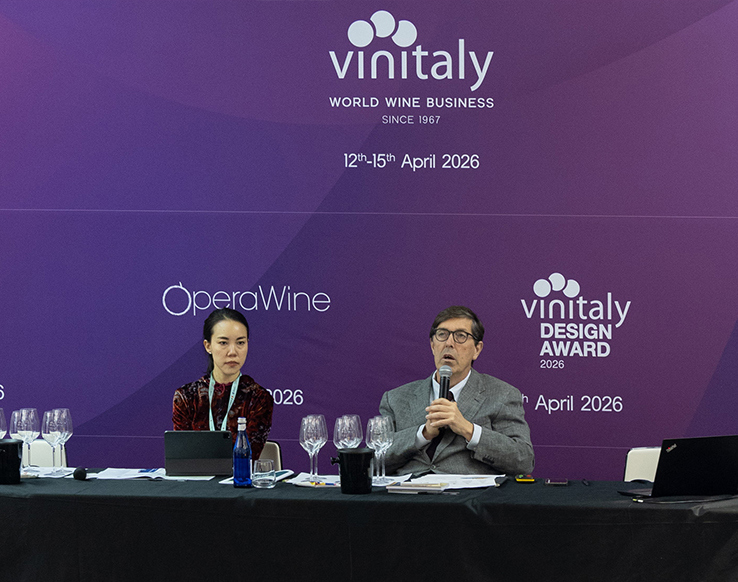
Sicilia DOC: a contemporary journey through native grapes
President of the Consorzio, Alessio Planeta, presented the session, laughingly introducing himself as the "neonato" as he only became President three days ago. He explained that Sicily is one of the biggest players in the Italian wine scene in terms of vineyard hectares planted (119,000), with 32,000 of the hectares planted cultivated organic. Sicily has the largest area of organic vineyards in Italy, as well as 46,000 hectares that are certified sustainable. Sicily is a land of diversity, with 90 days of harvest, beginning in western Trapani at the end of July and finishing on eastern Etna in October. The rainy season ends in March, and it is very difficult to grow vineyards sustainably without water throughout the summer growing season. There are more than 70 ancient native grapes in Sicily, all of which are still being researched and contributing DNA for scientific study. This work aims to keep the biodiversity of the native grapes across the whole reach of the island.
The Consorzio started in 2011, and every Sicilian bottle can now carry the flag logo. The Consorzio has 7264 wine growers, with 81,976,712 bottles produced in 2024/2025. Alessio lamented that, although everybody knows Sicily as a place, not everybody drinks Sicilian wine.
Sicilia DOC is hugely important for export with 50% leaving the country. Catarratto and Grillo are the most produced whites, and Nero d’Avola is the most produced red. How to distinguish DOC from IGT is a tough question at the moment, especially as Nero D’Avola and Grillo can only be made in DOC form. Producers can now add their city to their label; for example, DOC Menfi Sicilia. Sicilia as a brand is not 100% in the world of wine yet, but it is making its way into the global wine buying consciousness. The renewal of Sicilian wines after World War II was built around international grapes; however, the focus has shifted to native grapes since 2000.
Alessio credits his uncle, the late Diego Planeta, for much of the important research work in Sicily. Diego was President of Settesoli and created a big research think tank in the 1980’s that brought experts in to help. It was the time of The Judgement of Paris, and people didn’t want local grapes, they wanted all French. Giacomo Tachis and Attilio Scienza were among the leading expert consultants who came to support the native grapes of Sicily. Alessio says that, as producers, “we used to have to have international grapes to get people talking to us, and then we would get them to taste our local grapes. Now we are in a new dimension where native grapes are important and interesting, and small locations are becoming well known.”
Sicily’s location is a very important part of its story. Alessio says, "we are an island in the middle of the sea. Anyone who crossed the sea in ancient history left behind some kind of food, wine, music, culture, and so on. We are the recipients of a rich historic tradition of visitors".
Looking back 30 years, Catarratto was one of the most cultivated grapes in the world. It is vigorous, grows tons of grapes, the focus was on quantity rather than quality. Alessio says it’s a variety adapted to the extreme conditions across Sicily and it works very well, particularly at altitude. Lucido is another name for this grape, and they are using it for marketing purposes, because Catarratto is too hard to say in other countries and other languages. Lucido is now being produced in a more austere way, planting in better vineyard sites.
Grillo is a very Sicilian story, a cross between Catarratto and Zibibbo done 50-60 years ago, because producers wanted the acidity of Catarratto and the great resistant skin of Zibibbo. More aromatic than Catarratto, but not as much as Zibibbo. Grillo is a very resilient grape, growing in reputation, after years of being dismissed.
Nero d'Avola is now planted to 16-17,000 hectares. Clearly the most grown red grape in Sicily, it is very versatile, makes great rosé, long aging reds, and chillable reds. "Nero" gave a bad name to the wine, because it means black and consumers expected harsh, extracted, tannic wines. Alessio explains that it’s not dark naturally, and producers have stopped trying to exaggerate the tannins and structure.
The western part of Sicily was very important in the past. Marsala was the first wine district in Italy, in the 1850’s there was a great deal of wine business going on, all the land was covered with vineyards, Inzolia and Catarratto were made in an oxidative style here, very close to sea. Grillo was not created at the start of Marsala wines, so it came to the blend much later. Now most Grillo is made in reductive conditions to maintain the aromatic quality that sometimes mimics Sauvignon Blanc.
Caruso & Minini, Sicilia DOC Spumante Brut Millesimato Metodo Classico "Ayra" 2020.
Catarratto 100% very high acidity is good for spumante, sea exposure, doesn’t feel like a hot climate, lots of sunlight, there is a "sunscreen of the grape" that creates a hydrocarbon, smokey character. Preserved acidity, reductive character of thiol from low oxygen production, no autolytics in evidence, only 12 months on lees. From the Western side of the island, not known from this style of wine.
Alessandro di Camporeale, Sicilia DOC Catarratto "Benedè" 2025. Catarratto had no widely agreed style for many years – just known for acidity. This is not at extreme high altitude, has chalky phenolics, bright yellow citrus, very high acidity, at 330m asl.
Tasca d'Almerita Tenuta Regaleali, Sicilia DOC Grillo "Cavallo delle Fate" 2025, high altitude site 4450-800m asl, nowhere near the sea, very green hued, waxy oily texture, bitter herbs, clay soil, lots of available water, 14% abv is balanced by the acidity, work with lees creating the slippery mouthfeel.
Fondo Antico, Sicilia DOC Rosato 'Aprile' 2024 from Trapani at 200m asl. Early harvest Nero d’Avola grapes giving an orange toned pink, 13% abv, only 3 hours skin contact, wild strawberry note, slightly smokey from reduction, very chalky, bitter orange zest finished, nutmeg, fresh sage leaf.
Donnafugata, Vittoria DOC Frappato "Bell’Assai" 2024 has almost semi-aromatic floral notes, red geranium, sheer medium ruby red, smoked plum, pink peppercorn. Low altitude, low silky tannin, good balance of med+ acidity.
Tonnino Sicilia DOC Nero d'Avola "Passo di Contessa" 2024 at 130m asl has very raw tannins, feels extracted, with concentrated ripe red fruit, the alcohol feels hot even though it is only 13% abv. Blueberry, medicinal herbs, camphor, bay leaf, intense on the palate.
Sarah took a deep dive down the scientific reasons behind various flavors, aromas, and structure components, explaining in depth how diverse colors and elements in wine come to be in our glasses. Most vineyard soils in Italy are low nitrogen, which makes grapes produce sulphur compounds. Volatile sulphur compounds give thiols (grapefruit, passion fruit, gooseberry, boxwood). A grape that doesn’t naturally produce thiols will give a struck match note and flintiness, which can develop in reductive circumstances as well.
Wines tasted:
1. CARUSO & MININI: Sicilia Doc Spumante Brut Millesimato Metodo Classico "Arya" 2020
2. ALESSANDRO DI CAMPOREALE: Sicilia Doc Catarratto "Benedè" 2025
3. TASCA D'ALMERITA - TENUTA REGALEALI: Sicilia Doc Grillo "Cavallo delle Fate" 2025
4. FONDO ANTICO: Sicilia Doc Rosato "Aprile" 2024
5. DONNAFUGATA: Vittoria Doc Frappato "Bell'Assai" 2024
6. TONNINO: Sicilia Doc Nero d'Avola "Passo di Contessa" 2024