VIA Verona 2026 Supporter Masterclass: Consorzio di Tutela del Conegliano Valdobbiadene Prosecco Docg
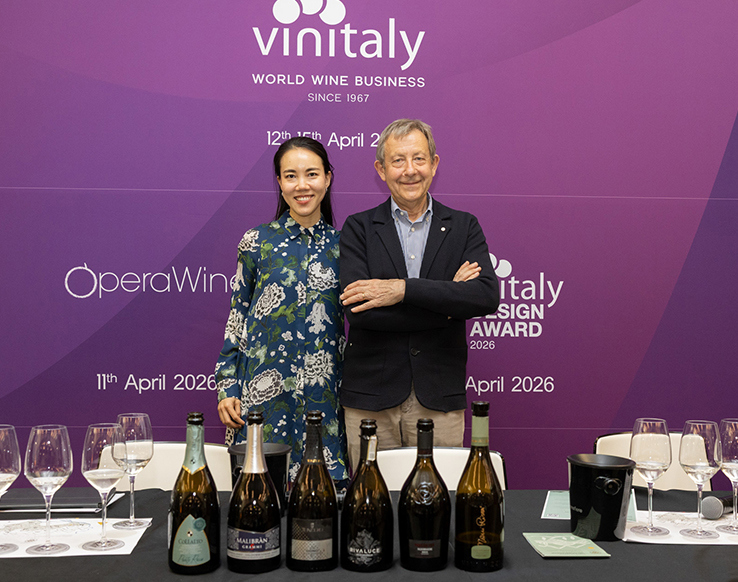
The taste of the soil
Technical Director Diego Tomasi presented the session for the Consorzio. Hot on the heels of the previous VIA Supporter Masterclass from the Consorzio Vini Asolo Montello, we were not surprised to hear Diego state, "Not all Prosecco is created equal". The theme of the presentation was "the taste of the soil".
Prosecco DOC is the largest of the 3 Prosecco denominations, covering 3 regions and 9 provinces. Conegliano Valdobbiadene Prosecco Superiore DOCG is a tiny area within the bigger region. Asolo Prosecco DOCG is an even smaller area within the larger area. The DOC produces 700,000,000, but Conegliano Valdobbiadene produces only 100,000,000 bottles. Conegliano Valdobbiadene is required to be planted only on hillsides, all manual work in the vineyard, poor soil, perfect climate for Glera, no irrigation is permitted. The Consorzio covers 8000 ht vineyards, 3,243 growers, 217 wineries. Production will never get higher because no new vineyards can be planted in the denomination. Export is 40%: in order of most export to UK, Germany, Austria, USA, Switzerland, USA, and least to France. The regulation regarding no mechanisation means that there are 800 hours of manual labor per hectare per year. This is the cost disadvantage to being on a slope, with a labor cost of 18,000 euros per hectare per year, versus €6,800 on flat land. It is difficult to explain why people should pay more for wine from Conegliano Valdobbiadene and this is a huge challenge for the denomination.
The DOCG is known for artisan viticulture and winemaking. Why is Conegliano Valdobbiadene considered Superiore? Diego says, "Our strength is the fact that we are on very steep hills, south facing, with site selection for perfect microclimate and best results for Glera. Ours is a specific terroir with perfect vocation for Glera". There is a long tradition of winemaking in the region, with the 1811 map from the Napoleonic Cadastre time, showing the hills "Al Prosecco" in documentation. In 1876, the very first enology school in Italy was built in Conegliano: The G. B. Cerletti Wine School. The name Prosecco comes from a small town near the sea, and it eventually became a brand name. Glera became autochthonous with time and space. It moved from the original site at Prosecco to Colli Berici in 1754 to find better conditions. It moved again to Colli Euganei and ultimately moved to the steep Conegliano hills and stopped there because the conditions were the best for Glera.
Glera is not able to produce a lot of alcohol, average is around 10.3% abv. Climate change is also impacting sugar quantity in the grape now. The region selected the Martinotti tank method, instead of classic method, over 100 years ago. The goal was to preserve the aromatics and delicacy of Glera.
Diego described the climate factors of the region. "The Dolomites protect our hills from cold winds, we have mild springs and summers, medium to high summer rainfall, and good ventilation on hills, with a very diurnal temperature change".
The soils are predominantly sedimentary, from the bottom of the ocean, conglomerates, marls, and morainic. Glera does best when there is not too much water, not too much nitrogen, thereby restraining the vigor of the vine. Conglomerate soils give high fruit and fragrance. Marl gives high florals, freshness, and persistence. Morainic soils give good floral and fragrance. Aromatic complexity is determined by the soils and the climate in collaboration. In recent years, the weather has had recurring extreme events, and the variables of weather are the driving force of the system, looking to the future.
The area has 9 subzones, 9 types of soils, which are important to the root system, helping to maintain freshness, high level of aromas, avoiding both water stress and excess water. Soil controls temperature, nutrients, water drainage, and the depth of the roots. Lack of irrigation means the roots are forced to drive deeper to find water and they pick up nutrients and minerals on the way.
Growers know they have to control the vigor and production, and low yields have higher total aromatic compounds. The vocation of the soil is not stable or fixed – there have been efforts to move soils around by excavating, tractoring, and so on, which destroys the balance of soil and destabilises the ability for vines to be balanced.
The hills are 300-350m above sea level. In the 1800’s, people hand-built very narrow terraces called "ciglioni" on steep hills. There were 4,760 km of terraces created this way, which makes the Conegliano Valdobbiadene landscape unique and certified as UNESCO cultural heritage. It is a result of interaction between man and nature. Since 2019, no new vineyards can be planted here.
Six wines in the tasting, from 6 different types of soil, all of these made with second fermentation in tank.
Conte Collalto Conegliano Valdobbiadene Prosecco Superiore DOCG Extra Brut Millesimato Rive di Colfosco "Ponte Rosso" 2025. Southern part of DOCG, clay soil, retains water, no stress in hot dry summers. Green apple, sage, pleasant tonic bitterness, nice density on the palate, soft. No exuberant fruit. More benzenoid character gives some spice, star anise.
Malibràn, Conegliano Valdobbiadene Prosecco Superiore DOCG Extra Brut Rive di Santa Maria di Feletto "5 Grammi" 2024. Ancient clay soil, first clay that came up from under the sea water. Greener vegetal nose, green apple, star anise, very lean and vertical, some Alpine floral and herbs, very “ricola” quality, retronasal freshness. Elegant.
Toni Doro Conegliano Valdobbiadene Prosecco Superiore DOCG Extra Brut Rive di Carpesica "Dono" 2024. Glacier area 100,000 years ago. Youngest soil in the region, morainic soil, rich in stones, low water, low mineral content, deep roots. Lower acidity, green apple, white apricot, white peach, mandarin peel bitterness plays well with the sweetness, star anise spices and millefiore honey, very subtle.
Rivaluce Conegliano Valdobbiadene Prosecco Superiore DOCG Extra Brut Rive di San Pietro di Barbozza 2025. Sandstone soil, deep roots creeping between the rocks. Much more floral, white rose, riper fruit, peach and apricot, cedro and lemon zest, pleasantly bitter saline note on the finish. Richer on the palate, balance between aroma, flavor, body. Diego’s favourite of the flight. Small winery, very small production.
Andreola Conegliano Valdobbiadene Prosecco Superiore DOCG Extra Dry Rive di Soligo "Mas de Fer" 2025. Shallow stony soil, roots can’t go deep, the plant has to invest energy in the shallow root system, reduces the productivity of the vine. Very floral, orange blossom, jasmine, apple blossom, green apple, riper white peach, richer on the palate, the sugar adds volume and helps the aromatics come out, more intense on the palate, fuller rounder body, a tonic bitter finish.
Nani Rizzi Conegliano Valdobbiadene Prosecco Superiore DOCG Extra Dry NV. In the highest part of the altitude on the west side of the DOCG. Bright florals.
In conclusion, Sarah spoke about the wines from Conegliano Valdobbiadene Prosecco of ten years ago versus this modern style that has emerged in recent years. This new version reminds Sarah of sake, the fruit is not super exuberant anymore, there is now a distinct difference from the DOC, it feels as though it was "extracted directly from the rocks", it’s subtle.
Questions from students were all regarding the big challenge for Conegliano Valdobbiadene to position itself as higher quality against the global perception of Prosecco as easy, inexpensive wine. The market is demanding lower prices and doesn’t understand the premium quality of Conegliano Valdobbiadene. Diego said the Consorzio recognises the problem and has changed its strategy, with no more selling to big supermarkets, only to HORECA now, they can’t afford huge events, so they are doing more and more small Masterclasses just with buyers, journalists, and very carefully selected audiences. "We are so proud of what we do, we are proud of our territory, but we have to communicate and promote only to the highest level of consumers". Sarah says these wines should be promoted as quality wines, rather than as part of the brand of Prosecco. Stevie jumped in about the difficulty of this name in terms of marketing and communication. The DOCG realises this is challenging and they are thinking about using "Alta Marca" for each town, separating Conegliano and Valdobbiadene. CoVa was suggested by students and shouted down with lots of laughter. It will be interesting to see what happens in the next year or two!
Wines tasted:
1. CONTE COLLALTO: Conegliano Valdobbiadene Prosecco Superiore Docg Extra Brut Millesimato Rive di Colfosco “Ponte Rosso” 2025
2. MALIBRÀN: Conegliano Valdobbiadene Prosecco Superiore Docg Extra Brut Rive di Santa Maria di Feletto “5 Grammi” 2024
3. TONI DORO: Conegliano Valdobbiadene Prosecco Superiore Docg Extra Brut Rive di Carpesica “Dono” 2024
4. RIVALUCE: Valdobbiadene Prosecco Superiore Docg Extra Brut Rive di San Pietro di Barbozza 2025
5. ANDREOLA: Valdobbiadene Prosecco Superiore Docg Extra Dry Rive di Soligo “Mas de Fer” 2025
6. NANI RIZZI: Valdobbiadene Prosecco Superiore Docg Extra Dry N.V.