VIA Verona 2026 Supporter Masterclass: Consorzio Tutela Vini Valpolicella
The Appassimento Legacy: Between Heritage and Modern Excellence
Mauro Bustaggi, founder of the Corte Figaretto winery and vice-president of the Consorzio Tutela Vini Valpolicella, introduced the region, its location and subregions, Classica, Valpantena and Valpolicella DOC. He also described 11 north to south valleys, each with slightly different characteristics. To the north of Valpolicella are the Lessinia mountains, which have an important cooling effect on the region, especially important in the summer. The most grown grape varieties are those indigenous varieties to the region, such as Corvina, Corvinone and Rondinella. Even though Corvina and Corvinone have similar names, they have completely different characteristics and genetic composition. Corvina represents the backbone of wine from the region, providing bright cherry, acidity, and elegance, while Corvinone (literally "big Corvina") has larger, looser clusters, contributing higher tannin, body, and spicy, savory notes. With just these few varieties the region produces four diverse styles of wine, Valpolicella DOC, Valpolicella Ripasso DOC, Amarone della Valpolicella DOCG and Recioto della Valpolicella.
In terms of winemaking, each variety ripens at a different point. There are two training systems used in the region, the more traditional Pergola system used primarily in the Classica zone and the Guyot system used in the eastern part of region.
Valpolicella produces 58 million bottles a year (figures from 2025), with Ripasso accounting for 48%, Valpolicella DOC representing 28% and Amarone accounting for 24%.
The Appassimento method is an extremely old method that dates back to at least the Roman era. During the process of appassimento, the grapes lose approximately 40% of their weight. The process of dehydration concentrates sugar, aromas and polyphenols. While dehumidification is permitted to prevent mold during this process, artificial heating or cooling mechanisms are not.
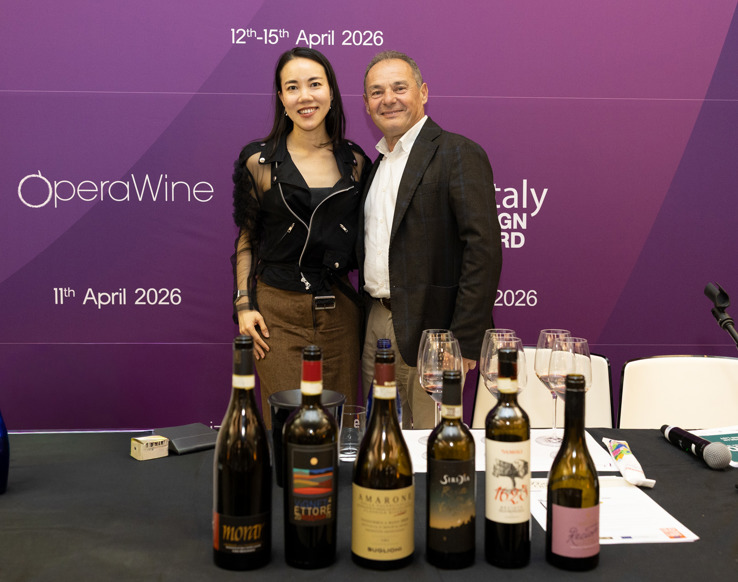
The wines tasted in this final session of the Vinitaly International Academy flagship 2026 edition included three Amarone and three Recioto. During the tasting, Gabriele Righetti, the fourth generation of his family to manage the Vigneti di Ettore winery, shared his experience of the winemaking methods used to make Amarone.
Wines tasted:
1. VALENTINA CUBI: Amarone della Valpolicella Docg Classico “Morar” 2013
2. VIGNETI DI ETTORE: Amarone della Valpolicella Docg Classico Riserva 2015
3. BUGLIONI: Amarone della Valpolicella Docg Classico Riserva “Cru” 20192
4. SIRIDIA: Recioto della Valpolicella Docg Classico 2020
5. DAMOLI BRUNO: Recioto della Valpolicella Docg Classico “1623” 2022
6. COSTA ARÈNTE: Recioto della Valpolicella Docg Valpantena 2022